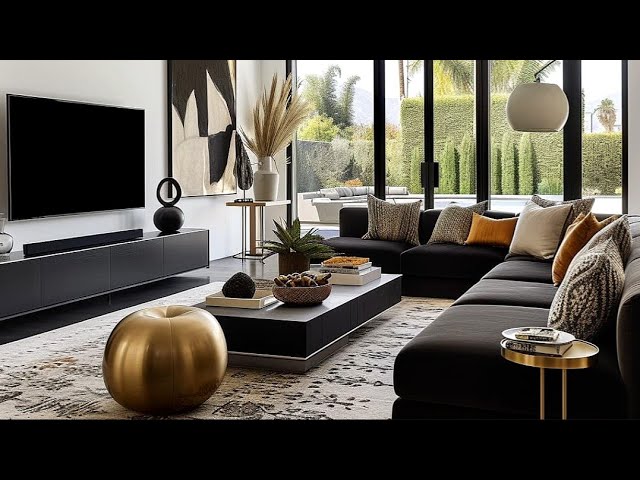
Home decoration encompasses the art of enhancing the interior and exterior spaces of a home to create a visually appealing and comfortable living environment. It involves selecting and arranging furniture, artwork, textiles, lighting, and other decorative elements to reflect the homeowner’s personal style and create a desired ambiance.
Home decoration has numerous benefits. It can increase the aesthetic appeal of a home, making it more enjoyable to live in. It can also improve the functionality of a space, making it more comfortable and efficient to use. Additionally, home decoration can be a form of self-expression, allowing homeowners to showcase their creativity and personality.
The history of home decoration dates back to ancient times, with evidence of decorative elements being used in homes as early as the Neolithic period. Throughout history, different cultures have developed their own unique styles of home decoration, reflecting their cultural values and traditions. In recent years, home decoration has become increasingly popular, with the rise of interior design magazines and television shows dedicated to the topic.
Decoration to Home
Home decoration is a multifaceted endeavor that encompasses various essential aspects. These aspects, which range from the practical to the aesthetic, contribute to the creation of a space that is both visually appealing and functional.
- Color: The colors used in home decoration can have a significant impact on the overall mood and ambiance of a space. Warm colors, such as red, orange, and yellow, can create a sense of energy and excitement, while cool colors, such as blue, green, and purple, can create a sense of calm and relaxation.
- Furniture: The furniture in a home serves both a functional and decorative purpose. It provides seating, storage, and other practical benefits, while also contributing to the overall aesthetic of the space. The style, size, and arrangement of furniture can all affect the look and feel of a room.
- Lighting: Lighting is an essential element of home decoration. It can be used to create different moods and atmospheres, and to highlight specific features of a space. Natural light is always best, but artificial light can be used to supplement natural light or to create specific effects.
- Textiles: Textiles, such as curtains, rugs, and upholstery, can add warmth, texture, and color to a home. They can also be used to create a specific style or theme. The type of fabric, the pattern, and the color of textiles can all affect the overall look and feel of a space.
- Accessories: Accessories, such as artwork, plants, and decorative objects, can add personality and interest to a home. They can be used to reflect the homeowner’s hobbies, interests, and travels. Accessories can also be used to create a specific style or theme.
These are just a few of the essential aspects of home decoration. By carefully considering each of these elements, homeowners can create a space that is both beautiful and functional.
Color
Color is one of the most important elements of home decoration. It can be used to create a variety of different moods and atmospheres, and to highlight specific features of a space. Warm colors, such as red, orange, and yellow, are often used in living rooms and kitchens, as they can create a sense of energy and excitement. Cool colors, such as blue, green, and purple, are often used in bedrooms and bathrooms, as they can create a sense of calm and relaxation.
When choosing colors for your home, it is important to consider the overall style of your home, as well as the function of each room. For example, if you have a traditional home, you may want to choose colors that are classic and timeless, such as beige, navy, or white. If you have a modern home, you may want to choose colors that are more bold and contemporary, such as black, white, or gray.
It is also important to consider the amount of natural light that each room receives. Rooms that receive a lot of natural light can handle bolder colors, while rooms that receive less natural light may need to be painted in lighter colors.
By carefully considering the colors you use in your home, you can create a space that is both beautiful and functional.
Furniture
Furniture plays a vital role in decoration to home. It not only provides essential functionality, but also serves as a key element in creating a cohesive and visually appealing living space. The choice of furniture, its arrangement, and its style can greatly impact the overall ambiance and character of a room.
- Functionality: Furniture serves a range of practical purposes in the home. It provides seating for relaxation, dining, or work; storage for clothing, books, and other belongings; and surfaces for displaying decorative items or performing various tasks. By carefully selecting furniture that meets specific functional requirements, homeowners can create a comfortable and efficient living space.
- Style: The style of furniture can significantly influence the overall aesthetic of a room. Traditional furniture, with its classic lines and ornate details, evokes a sense of elegance and timeless appeal. Modern furniture, characterized by clean lines and minimalist design, creates a more contemporary and streamlined look. By choosing furniture that aligns with their personal style and the overall design scheme of their home, homeowners can create a visually cohesive and inviting space.
- Arrangement: The arrangement of furniture can affect both the functionality and aesthetics of a room. Proper arrangement ensures that furniture is positioned for optimal use and flow of movement, while also creating a visually pleasing composition. For example, in a living room, arranging furniture around a focal point, such as a fireplace or a large window, can create a sense of intimacy and conversation.
- Scale and Proportion: The scale and proportion of furniture should be carefully considered in relation to the size of the room. Oversized furniture in a small room can make the space feel cluttered and cramped, while undersized furniture in a large room can appear insignificant and lost. By choosing furniture that is appropriately scaled to the room, homeowners can create a balanced and harmonious space.
In conclusion, furniture plays a multifaceted role in decoration to home. Its functionality, style, arrangement, and scale all contribute to creating a space that is both visually appealing and practically functional. By carefully considering these factors, homeowners can select and arrange furniture that enhances the overall ambiance and character of their living spaces.
Lighting
Lighting plays a vital role in decoration to home as it has a significant impact on the overall ambiance, functionality, and aesthetics of a space. The effective use of lighting can enhance the beauty of a room, create desired atmospheres, and highlight architectural features or decorative elements.
Natural light is the most preferred form of lighting as it provides a bright and natural ambiance. However, natural light can be limited or unavailable at certain times of the day or in certain areas of a home. This is where artificial lighting comes into play. Artificial lighting can be used to supplement natural light or to create specific effects, such as creating a cozy atmosphere in a living room or a dramatic effect in a dining room.
There are various types of artificial lighting, each serving a specific purpose. Ambient lighting provides general illumination, while task lighting is used for specific activities such as reading or cooking. Accent lighting is used to highlight specific features or create focal points. Decorative lighting adds a touch of style and personality to a space.
When planning the lighting for a home, it is important to consider the following factors:
The function of the space The amount of natural light available The desired ambiance The architectural features of the space The decorative elements in the space
By carefully considering these factors, homeowners can create a lighting scheme that enhances the overall decoration of their home and creates a space that is both beautiful and functional.
Textiles
Textiles play a vital role in decoration to home as they offer a multitude of benefits and possibilities for enhancing the aesthetics and functionality of a space. They add warmth, texture, and color to a room, creating a cozy and inviting atmosphere. Textiles can also be used to create a specific style or theme, reflecting the homeowner’s personality and preferences.
- Functionality: Textiles serve various practical functions in home decoration. Curtains, for example, control the amount of natural light entering a room, providing privacy and insulation. Rugs protect floors from wear and tear, define different areas within a space, and add comfort underfoot. Upholstery provides comfortable seating and can protect furniture from everyday use.
- Style: The type of fabric, pattern, and color of textiles can significantly influence the style of a room. For instance, heavy fabrics with intricate patterns can create a luxurious and formal ambiance, while light and airy fabrics with simple patterns can create a more casual and relaxed atmosphere. By carefully selecting textiles that complement the overall design scheme, homeowners can achieve a cohesive and visually appealing look.
- Texture: Textiles add texture and depth to a room, making it more visually interesting and inviting. Different fabrics have unique textures, from the smooth and silky feel of velvet to the rough and rugged texture of burlap. By combining textiles with different textures, homeowners can create a layered and sophisticated look.
- Color: The color of textiles can have a significant impact on the overall mood and ambiance of a room. Warm colors, such as red and orange, can create a sense of energy and excitement, while cool colors, such as blue and green, can create a sense of calm and relaxation. By carefully selecting the colors of textiles, homeowners can create a space that reflects their desired atmosphere.
In conclusion, textiles are an essential element of decoration to home, offering both functional and aesthetic benefits. By carefully considering the type of fabric, pattern, color, and texture of textiles, homeowners can create a space that is both beautiful and functional, reflecting their personal style and enhancing the overall ambiance of their home.
Accessories
Accessories play a vital role in decoration to home as they offer a multitude of benefits and possibilities for enhancing the aesthetics and functionality of a space. They add personality and interest to a room, making it more inviting and reflective of the homeowner’s style and preferences.
- Expression of Individuality: Accessories provide homeowners with an opportunity to express their individuality and creativity. By selecting accessories that reflect their hobbies, interests, and travels, homeowners can create a space that is uniquely their own. For example, a homeowner who loves to travel might display souvenirs and artwork collected from different countries, while a homeowner who enjoys gardening might fill their home with plants and botanical prints.
- Style and Theme: Accessories can be used to create a specific style or theme in a home. For instance, adding vintage posters and retro furniture can create a nostalgic ambiance, while incorporating modern sculptures and abstract paintings can create a contemporary look. By carefully selecting accessories that complement the overall design scheme, homeowners can achieve a cohesive and visually appealing space.
- Focal Points and Interest: Accessories can be used to create focal points and add visual interest to a room. A statement piece, such as a large painting or a unique sculpture, can instantly draw the eye and become a conversation starter. Smaller accessories, such as decorative bowls, vases, and throw pillows, can be used to add pops of color and texture, creating a more dynamic and inviting space.
- Functionality: While accessories primarily serve a decorative purpose, they can also offer practical benefits. For example, baskets and trays can provide additional storage, while lamps and candles can provide ambient lighting. By carefully selecting accessories that combine both form and function, homeowners can create a space that is both beautiful and functional.
In conclusion, accessories are an essential element of decoration to home, offering both functional and aesthetic benefits. By carefully considering the type, style, and placement of accessories, homeowners can create a space that is uniquely their own, reflects their personal style, and enhances the overall ambiance of their home.
FAQs About Decoration to Home
This section provides answers to frequently asked questions about decoration to home, offering insights and guidance to help you enhance the aesthetics and functionality of your living space.
Question 1: What are the key elements to consider when decorating a home?
When decorating your home, it is essential to consider color, furniture, lighting, textiles, and accessories. Each element plays a crucial role in creating a cohesive and visually appealing space that meets your functional and aesthetic needs.
Question 2: How can I choose the right color scheme for my home?
Color has a significant impact on the ambiance of your home. Consider the mood you want to create and choose colors that complement each other and the overall style of your home. Warm colors like red and orange evoke energy, while cool colors like blue and green promote tranquility.
Question 3: How do I select furniture that is both stylish and functional?
Furniture should not only enhance the aesthetics of your home but also meet your practical needs. Determine the purpose of each room and choose furniture that accommodates your lifestyle and activities. Consider the size, style, and comfort level to create a harmonious and functional space.
Question 4: Why is lighting important in home decoration?
Lighting plays a crucial role in setting the mood and highlighting architectural features. Natural light is ideal, but artificial lighting can be used to supplement and create specific effects. Consider ambient, task, accent, and decorative lighting to achieve the desired ambiance and functionality in each room.
Question 5: How can I use textiles to add warmth and texture to my home?
Textiles, such as curtains, rugs, and upholstery, add warmth, texture, and color to your home. Choose fabrics that complement your furniture and color scheme, and experiment with different patterns and textures to create a layered and inviting space.
Question 6: What is the role of accessories in home decoration?
Accessories, such as artwork, plants, and decorative objects, add personality and interest to your home. They reflect your style and hobbies, and can be used to create focal points or add pops of color and texture. Carefully selected accessories can transform a space and make it uniquely your own.
In summary, decoration to home encompasses various elements that, when thoughtfully combined, create a space that is both aesthetically pleasing and functionally sound. By considering these key factors and seeking inspiration from reputable sources, you can transform your house into a home that truly reflects your style and enhances your daily life.
For more in-depth information and expert advice on home decoration, explore our comprehensive articles and consult with experienced interior designers.
Decoration to Home Tips
Enhancing the aesthetics and functionality of your living space requires careful consideration and attention to detail. Here are some valuable tips to guide you in creating a home that reflects your style and meets your needs:
Tip 1: Define Your Style
Identify your personal design preferences and draw inspiration from various sources. Consider your lifestyle, hobbies, and the overall ambiance you want to create. A clear understanding of your style will guide your decision-making throughout the decoration process.
Tip 2: Plan a Functional Layout
Arrange furniture and dcor in a way that maximizes space and flow. Create designated areas for different activities, ensuring smooth transitions between rooms. Proper planning will enhance both the aesthetic appeal and practicality of your home.
Tip 3: Choose a Cohesive Color Palette
Colors have a profound impact on the mood and ambiance of a space. Select a color scheme that complements your style and creates the desired atmosphere. Consider the natural light available and experiment with different shades and tones to achieve a harmonious and visually pleasing effect.
Tip 4: Layer Textures and Patterns
Add depth and interest to your home by incorporating a variety of textures and patterns. Combine different fabrics, materials, and finishes to create a layered and inviting space. Experiment with contrasting textures to add visual appeal and tactile stimulation.
Tip 5: Accessorize Wisely
Accessories provide the finishing touches that personalize your home and reflect your unique style. Carefully select artwork, plants, and decorative objects that complement your dcor and add pops of color or texture. Avoid cluttering your space and opt for pieces that hold sentimental value or spark joy.
Tip 6: Embrace Natural Light
Maximize natural light by keeping windows unobstructed and using sheer curtains or blinds. Natural light not only brightens your home but also creates a sense of spaciousness and well-being. Consider the placement of furniture and dcor to optimize the flow of light throughout your living space.
Tip 7: Incorporate Plants
Plants add a touch of nature and freshness to your home while purifying the air. Choose plants that complement your dcor and provide pops of color or texture. Consider their light requirements and ensure proper care to maintain their health and beauty.
Tip 8: Seek Professional Advice
If you need guidance or inspiration, don’t hesitate to consult with an experienced interior designer. Professional designers can help you create a cohesive and functional design plan tailored to your specific needs and preferences.
By following these tips, you can transform your home into a space that is both visually appealing and functionally sound. Remember to experiment, have fun with the process, and let your creativity shine through.
Conclusion
Home decoration is an art form that combines aesthetics and functionality to create living spaces that are both beautiful and practical. By carefully considering the elements of color, furniture, lighting, textiles, and accessories, homeowners can create a home that reflects their personal style and enhances their daily lives.
In today’s world, home decoration has become increasingly important as people spend more time in their homes. A well-decorated home can provide a sense of comfort, relaxation, and inspiration. It can also be a reflection of the homeowner’s personality and values.
As we move into the future, home decoration is likely to become even more important. As technology continues to advance, new and innovative ways to decorate our homes will emerge. We can expect to see more homes that are both stylish and functional, as well as homes that are tailored to the individual needs of the homeowner.
Youtube Video: